
Views: 0 Author: Site Editor Publish Time: 2026-05-10 Origin: Site


Every morning begins a crucial choice. You pour your favorite coffee or tea into a mug, expecting perfection. Yet, the vessel you choose dictates the entire sensory experience. Deciding between a ceramic or stainless steel mug involves much more than just aesthetics. It represents a functional trade-off between flavor integrity, thermal retention, and daily durability.
No single material does everything perfectly. The "perfect mug" remains an elusive myth. The right choice depends entirely on your specific consumption habits. You must evaluate whether you face a bumpy commute or enjoy a quiet desk environment. You must also consider if you drink robust dark roasts or delicate green teas.
In this guide, we will explore the thermodynamics and chemistry behind your daily brew. We will break down exactly how materials alter taste. We will also introduce the Double Wall Glass Cup. This hybrid solution gracefully resolves the most common complaints of both ceramic and stainless steel drinkware.
Flavor: Ceramic is chemically neutral and will not absorb or impart flavors; stainless steel can react with acidic coffee or retain lingering odors (like coffee oils transferring to tea).
Insulation: Stainless steel (specifically vacuum-sealed) dominates long-term heat retention, but this can actually over-steep delicate teas or ruin the temperature curve of specialty coffee.
Practicality: Stainless steel survives drops and commutes. Ceramic offers microwave-ability and easier deep-cleaning but is fundamentally fragile.
The Middle Ground: A Double Wall Glass Cup offers the flavor purity of ceramic with improved thermal performance, making it the ideal choice for indoor, flavor-focused drinkers.
Roasted coffee contains over a thousand complex chemical compounds. Delicate teas possess nuanced aromatic oils. You want to taste those delicate compounds, not your cup. Ceramic brings a massive functional advantage to your daily ritual. Manufacturers fire clay in kilns to create a non-porous, chemically neutral glaze. It neither absorbs odors nor reacts to your beverage. You taste exactly what you brewed. This pure neutrality makes ceramic the undeniable favorite among professional baristas and tea sommeliers.
Stainless steel introduces a completely different reality. High-quality steel resists rust, but it still interacts chemically. Acidic drinks like light roast coffee occasionally react against metal walls. This hidden interaction often creates a distinct metallic aftertaste. Many consumers mistake this metallic tang for poorly roasted beans. In reality, the vessel itself alters the flavor profile on a molecular level.
We also need to address the "flavor ghosting" risk. Over time, stainless steel surfaces trap stubborn coffee oils. You might brew a delicate green tea after using your travel mug for a dark French roast. If you use stainless steel, you will likely experience muddy, tainted flavors. The steel retains microscopic lipid residues. Moving between different beverage types becomes a frustrating experience. A ceramic vessel prevents this entirely. You simply wash it, and it resets perfectly for your next drink.
Marketing campaigns often confuse consumers about insulation mechanics. You will frequently see the terms "double-wall" and "vacuum-sealed" used interchangeably. They act very differently. True heat retention relies entirely on a vacuum seal. A manufacturer removes the air between two walls to stop thermal transfer. However, this vacuum creates massive atmospheric pressure. The inner walls must withstand approximately 15 psi. High-strength materials like steel handle this stress easily. Ceramic would simply implode under this physical pressure. This explains why vacuum-sealed ceramic remains virtually non-existent on the market.
Many consumers assume 12-hour heat retention is universally beneficial. We need to challenge this assumption. Keeping specialty coffee or fine teas near boiling for hours creates a severe over-steeping trap. Consider what happens to your beverage during extended extreme heat:
Aroma loss: Volatile aromatic compounds evaporate too quickly.
Bitter over-extraction: High temperatures force tea leaves to release excess harsh tannins.
Flavor distortion: Coffee loses its bright acidity and turns flat or muddy.
Let us look at practical usage contexts. Most people finish an office or home beverage within a 30-minute reality window. A moderate insulator perfectly matches this timeframe. Standard ceramic keeps your drink warm enough for half an hour. If you want slightly longer retention without the metal taste, a Double Wall Glass Cup offers a brilliant middle ground. It slows down heat loss just enough. You can safely enjoy the evolving temperature curve of specialty coffee before it turns bitter.
The commuter's reality demands serious physical durability. Stainless steel dominates high-impact environments. You might cycle, hike, or navigate a bumpy train ride. If you drop a steel vessel, it dents. It rarely fails completely. You simply pick it up and keep going. This makes steel an unmatched tool for active transport.
Ceramic serves a completely different environment. It shatters when dropped. Yet, it wins decisively when we look at the reheating factor. This exposes a major flaw in stainless steel. You cannot microwave metal. Microwaves reflect off steel, causing sparks and potential fire hazards. If your beverage cools down in a metal container, you must transfer it to a secondary vessel to reheat it. Ceramic allows you to microwave your drink instantly. This provides a massive convenience factor for busy office workers.
Engineers have tried to blend these benefits by creating double-wall ceramic vessels. This introduces a severe weight compromise. To achieve double-wall insulation using clay, the product becomes excessively heavy. It requires extremely thick lips for structural integrity. Manufacturers often must remove the handle entirely to prevent structural breakage. The resulting mug feels bulky and awkward to hold.
Utility Metric | Standard Ceramic | Stainless Steel | Double Wall Glass |
|---|---|---|---|
Drop Durability | Low (Shatters easily) | High (Dents but survives) | Moderate (Resists thermal shock) |
Microwave Safe | Yes | No | Yes |
Weight Profile | Heavy | Light | Very Light |
You do not have to settle for the limitations of steel or heavy clay. We can easily bridge the gap by looking at alternative materials. A high-quality Double Wall Glass Cup serves as the optimal solution. It gives you the pristine flavor purity of ceramic alongside the intelligent insulation mechanics of double-wall construction.
Consider the visual and sensory appeal. Coffee and tea provide deeply visual experiences. Glass allows you to see the exact color and clarity of your brew. You can admire the rich crema of a fresh espresso shot. You can watch tea leaves unfurl gracefully. This transparency drastically enhances your daily tasting ritual. A solid steel or ceramic tumbler hides these beautiful details entirely.
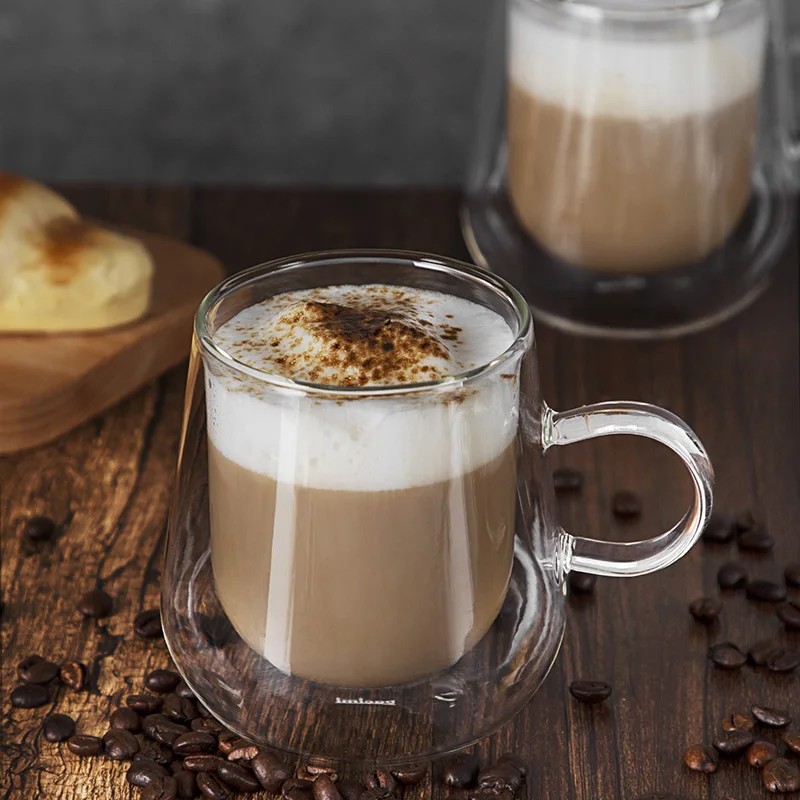
Let us examine the performance metrics. A double wall glass cup physically suspends the inner vessel inside an outer glass layer. This creates an insulating pocket of air. This air layer prevents heat from transferring to your hands. You can hold a boiling hot beverage comfortably without needing a traditional handle. Furthermore, this structure eliminates exterior condensation. If you prefer iced drinks, the outer wall will not sweat. It will never leave damaging water rings on your wooden desk. You gain excellent thermal stability while avoiding the chemical reactivity of steel.
Choosing the perfect vessel comes down to matching the material to your environment. Use this framework to make your final decision and elevate your drinking experience.
Choose Stainless Steel If: You face a long daily commute. You prioritize sheer durability over subtle flavor notes. You need extreme temperature retention spanning four or more hours. Steel serves as the ultimate travel tool for rough environments.
Choose Ceramic If: You work primarily from home or in an office. You enjoy the tactile "warm hands" ritual of holding a classic mug. You typically finish your coffee within 30 minutes. You also rely heavily on microwave-ability for quick reheating throughout the day.
Choose a Double Wall Glass Cup If: You consider yourself a specialty coffee or tea purist. You demand absolute flavor neutrality. You want to visually appreciate your brew. You need better temperature stability than standard ceramic offers for indoor use.
The verdict remains clear. Your environment dictates the "best" mug entirely. Think of stainless steel as a highly rugged tool designed for transport. Conversely, view ceramic and glass as canvases designed to highlight pure taste. No single material commands every scenario perfectly.
We encourage you to audit your daily drinking habits before investing in your next premium piece of drinkware. Track your daily commute, observe where you drink, and note your speed of consumption. If you primarily drink at a desk, a heavy metal tumbler might ruin your expensive coffee beans through over-extraction. Explore your options carefully. A sleek Double Wall Glass Cup often provides the perfect upgrade for a refined home-office setup. It perfectly balances thermal comfort, visual elegance, and uncompromising flavor neutrality.
A: No. Metal reflects microwaves, causing dangerous sparks and potential fire hazards. Only use ceramic or microwave-safe glass vessels for reheating your beverages.
A: Avoid standard dish soap. Use a mixture of baking soda and warm water, or drop in a specialized effervescent cleaning tablet. Let the mixture soak overnight to break down trapped coffee oils.
A: Modern, reputable brands use third-party lab testing to ensure glazes remain completely heavy-metal-free. However, cheap or unverified ceramics can pose hidden health risks. Always check for compliance certifications before purchasing.
A: High-quality options utilize borosilicate glass, similar to laboratory beakers. This material highly resists thermal shock, meaning it prevents cracking from sudden temperature changes. However, it will still shatter if dropped directly onto a hard floor.


 +86-13370832299
 9th Floor, Poly Central Mansion, No.1068 Jinshui Road, Qingdao, China