
Views: 0 Author: Site Editor Publish Time: 2026-05-21 Origin: Site


You have probably noticed a subtle phenomenon during your morning routine. Water, coffee, and tea objectively seem to taste better when you sip them from certain vessels. This experience goes far beyond a psychological trick of perception and priming. It is deeply rooted in physical material science.
Buyers at the decision stage often face a difficult dilemma. They weigh the aesthetic, cozy appeal of traditional ceramic against the sleek, modern purity of glass. Yet, they struggle to evaluate hidden, critical factors. Thermal performance, glaze safety, and long-term durability rarely show up on a simple product label. Choosing the wrong material can lead to cold coffee, burned fingers, or even degraded flavor profiles over time.
Our goal is to solve this problem for you. We provide an evidence-based, skeptical-friendly evaluation of both materials. We will examine chemical inertness, heat retention, and strict safety standards. By understanding how these materials behave under daily stress, you can make a highly qualified purchasing decision.
Flavor Neutrality: Glass is naturally non-porous and chemically inert, offering perfect flavor preservation. Ceramic relies entirely on the integrity of its glaze to prevent flavor absorption.
Safety Standards: Both are safe if properly manufactured. However, buyers must verify that ceramic glazes are lead-free (FDA/Prop 65 compliant), while modern borosilicate glass is naturally free of heavy metals.
The Insulation Factor: Traditional glass loses heat quickly and burns hands, while thick ceramic retains heat well. The engineered middle ground—a double wall glass cup—solves the thermal issue while maintaining material purity.
Best Use Cases: Choose ceramic for tactile comfort and traditional heat retention; choose glass for visual presentation, iced drinks, or complex layered beverages.
Chemical inertness dictates how well a vessel preserves your drink. Flavor alteration usually happens when a container reacts to temperature shifts, beverage acidity, or organic oils. Metals frequently suffer from this issue. They impart a distinct metallic tang to highly acidic coffees or citrus teas. If you want absolute flavor fidelity, you must look closely at glass and ceramic.
Glass offers absolute material purity. It stands as a 100% non-porous and non-reactive substance. It will never retain "ghost flavors" from previous drinks. You can brew a dark, oily espresso in the morning. A quick rinse restores the cup entirely. You can then pour a delicate green tea in the afternoon without tasting lingering coffee notes. This characteristic makes glass the ultimate choice for purists.
Ceramic carries a hidden vulnerability. In its natural, unglazed state, ceramic clay remains highly porous. It acts much like a dense sponge. Food-grade ceramic relies entirely on a fired glaze to mimic the non-porous nature of glass. While high-quality glazes work well initially, they degrade over time. Constant stirring creates microscopic damage.
Consider how glaze degradation happens in real-world scenarios:
Metal spoons create microscopic abrasions and scratches across the bottom of the mug.
Hot liquids force these tiny fissures to expand slightly during use.
Stubborn coffee oils and acidic residues seep into the exposed, porous clay underneath.
Bacteria can colonize these micro-fissures, slightly altering all future flavor profiles.
We must move past vague marketing buzzwords to understand drinkware safety. You need to frame health as a strict technical specification. Evaluating actual safety compliance ensures you avoid long-term chemical exposure.
The lead question remains a serious issue in the ceramic industry. Historically, manufacturers used lead and cadmium extensively. These heavy metals create bright, vivid glaze colors. They also allow factories to lower their kiln firing temperatures, saving money. While major brands regulate this, poorly manufactured modern ceramics still pose risks. You must verify FDA or California Proposition 65 compliance when sourcing ceramic mugs. Artisanal, handcrafted, or cheap imported ceramics carrying bright glazes often present the highest leaching risks.
Glass safety offers a much simpler landscape. Everyday soda-lime glass serves perfectly well for basic use, and it remains entirely safe. However, high-borosilicate glass represents the superior, medical-grade standard. Manufacturers add boron oxide to the silica mix, creating an incredibly resilient material naturally free of harmful chemicals.
We must also dispel common myths regarding lead in glass. Standard drinking glass contains zero lead. Leaded crystal is an entirely different category. Crystal makers use lead oxide specifically for light refraction. It makes decorative glasses sparkle beautifully. You should never use leaded crystal for daily hot beverages, as heat and acidity accelerate heavy metal leaching.
Best Practice: Always check the bottom of a ceramic mug for safety stamps. If a handmade mug lacks certification, restrict its use to holding pens on your desk.
Thermal performance heavily influences your daily drinking experience. Ceramic holds a traditional, well-documented advantage here. Thick-walled ceramic acts as a dense thermal mass. It absorbs initial heat from your beverage. This means the mug takes a few moments to warm up. Once heated, it keeps drinks comfortably warm for 30 to 45 minutes. It perfectly suits a slow, relaxed morning pacing.
Standard glass suffers from a severe thermal flaw. Single-wall glass transfers heat almost instantly. It cools hot coffee rapidly, often dropping it to a lukewarm temperature within 15 to 20 minutes. Furthermore, the exterior becomes painfully hot. It burns your hands unless the mug features a bulky handle. For cold drinks, single-wall glass causes excessive condensation. It sweats heavily, leaving messy water rings on your furniture.
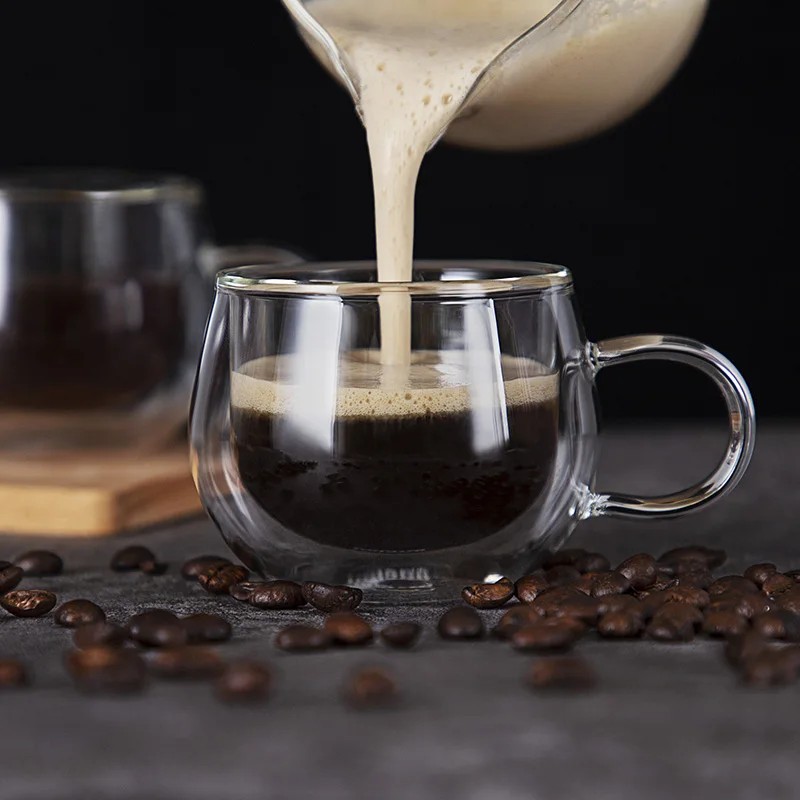
The engineered solution bridges this gap perfectly. The Double Wall Glass Cup represents the definitive thermal upgrade. It solves the heat retention problem while maintaining absolute material purity.
The physics behind this design are brilliantly simple. Manufacturers create a vacuum or a sealed air layer between two glass walls. Air functions as a very poor conductor of thermal energy. This middle layer provides superior insulation against ambient room temperatures.
The practical outcomes of this design include:
Extended Heat Retention: It keeps hot drinks at optimal serving temperatures noticeably longer than standard ceramic.
Burn-Free Handling: It keeps the exterior completely cool to the touch. You do not even need a handle to hold boiling liquids comfortably.
Zero Condensation: It entirely eliminates external "sweating" when filled with iced drinks. Your hands and desk remain dry.
Thermal shock resistance determines how materials handle sudden temperature changes. This is a critical metric for daily use. Standard glass shatters violently when exposed to rapid shifts from cold to hot. Ceramic typically cracks or crazes under similar stress. However, borosilicate glass is fundamentally engineered to withstand extreme thermal shock. Premium double wall designs utilize this specific glass. You can confidently pour boiling water directly over ice cubes in a Double Wall Glass Cup without any risk of structural failure.
Microwave performance highlights another key difference. Both materials are generally classified as microwave safe. Yet, they behave differently under radiation. Glass heats liquids evenly. The vessel itself rarely becomes dangerously hot. Ceramic acts unpredictably. Certain ceramic glazes naturally absorb microwave energy. Furthermore, unglazed ceramic bases often absorb moisture during dishwasher cycles. When microwaved, this trapped water heats up rapidly. The mug itself becomes scalding hot, creating a severe burn hazard when you grab it.
We must provide a balanced claim regarding physical fragility. Neither material survives abuse. If you drop glass, it shatters. If you drop ceramic, it chips or breaks into heavy shards. Neither survives a hard fall onto a kitchen floor like a stainless steel tumbler would. Both require mindful, deliberate daily handling.
Common Mistake: Never put a chipped ceramic mug in the microwave. The exposed porous clay will absorb dishwasher water, leading to localized overheating and potential cracking inside the appliance.
Choosing between glass and ceramic comes down to matching the material's inherent properties to your specific daily habits. To simplify your decision, we built a comprehensive comparison chart outlining the strengths of each option.
Feature | Ceramic Mug | Standard Glass | Double Wall Glass Cup |
|---|---|---|---|
Flavor Purity | Good (Dependent on glaze integrity) | Perfect (100% non-porous) | Perfect (100% non-porous) |
Heat Retention | Excellent (Thick thermal mass) | Poor (Rapid heat loss) | Superior (Vacuum insulated) |
Exterior Temperature | Warm (Requires a handle) | Dangerously hot | Cool to the touch (No handle needed) |
Condensation (Iced) | Minimal | Heavy sweating | Zero sweating |
Thermal Shock | Moderate (Prone to cracking) | Low (Prone to shattering) | High (Borosilicate resists shock) |
You should choose ceramic if your routine aligns with traditional comforts. It works best if you prioritize tactile comfort, reassuring weight, and a cozy aesthetic. Ceramic suits drinkers who actually prefer a gradual cooling curve. If you drink delicate teas or complex drip coffees, letting the temperature drop slowly allows you to experience changing flavor notes.
Conversely, you should choose a Double Wall Glass Cup if versatility drives your day. It is the ultimate choice if you demand absolute flavor purity without worrying about glaze degradation over the years. It perfectly highlights layered beverages like matcha lattes or iced macchiatos, offering high visual presentation. You gain superior insulation without enduring the metallic aftertaste often found in stainless steel tumblers. Finally, it serves as the perfect all-in-one vessel if you switch rapidly between highly acidic hot coffees and freezing iced beverages.
Ultimately, neither material proves inherently "better" in a vacuum. Your specific choice strictly dictates your daily drinking experience. Ceramic offers an unmatched, traditional tactile warmth. It slows down your morning and invites a cozy routine. However, from a strict material purity and engineering versatility standpoint, glass clearly wins out.
If you refuse to compromise on thermal retention but still demand the non-porous purity of glass, you have a clear path forward. Upgrading to a high-borosilicate Double Wall Glass Cup stands as the most logical, future-proof investment for your kitchen. It bridges the gap between science and daily comfort seamlessly.
Assess your current mugs for internal scratches or glaze degradation.
Verify FDA or Prop 65 compliance if purchasing bright, artisanal ceramics.
Invest in borosilicate double-wall designs to eliminate condensation and burn risks.
A: Quality, modern food-grade ceramics comply with strict FDA limits. However, artisanal, vintage, or cheap imported ceramics featuring bright colored glazes carry much higher leaching risks. Manufacturers historically used lead to lower kiln temperatures. You should always check for modern safety certifications before purchasing.
A: Glass is generally safer and much more efficient. It heats the liquid evenly while remaining relatively cool to the touch. Conversely, some ceramics contain trace metals in their glazes. Furthermore, unglazed ceramic bases absorb moisture. This causes the mug itself to become dangerously scalding hot in the microwave.
A: It involves a mix of chemical inertness and psychology. Glass is non-porous, meaning absolutely zero metallic or plastic flavors leach into your water. Additionally, psychological priming occurs. The clear, clean visual weight of the glass powerfully signals purity and freshness directly to your brain.


 +86-13370832299
 9th Floor, Poly Central Mansion, No.1068 Jinshui Road, Qingdao, China