
Views: 0 Author: Site Editor Publish Time: 2026-05-03 Origin: Site


Transitioning from standard ceramic mugs to specialized glassware is a choice driven by aesthetics, temperature control, and flavor perception. Coffee enthusiasts quickly realize ordinary cups no longer serve their carefully brewed roasts. It makes sense to upgrade your daily routine. Buyers want the visual appeal and thermal benefits of a glass cup without sacrificing durability or wasting money on fragile gimmicks. You need a reliable vessel holding your morning pour-over.
To evaluate the real-world performance of coffee glassware—specifically the popular Double Wall Glass Cup—weighing sensory benefits against implementation risks is essential. These risks often include hidden dishwasher failures and structural fragility. We will explore the underlying physics of heat retention and the psychological impact of transparent drinkware. You will learn exactly how to match cup capacity to your favorite drinks and avoid common purchasing mistakes. Your morning brew deserves the perfect cup.
Material Matters: True coffee glassware requires borosilicate glass to survive rapid temperature shifts without shattering.
Sensory Impact: Transparent glass psychologically enhances the perceived acidity and clarity of lighter roasts, while thicker rims mimic the "body" associated with traditional ceramic.
The Double Wall Trade-off: A double wall glass cup offers superior heat retention and eliminates condensation, but comes with a critical vulnerability—the bottom pressure-relief valve.
Capacity Dictates Quality: Selecting the wrong ounce capacity ruins the milk-to-espresso ratio for drinks like cortados and lattes.
Flavor perception extends far beyond your taste buds. Oxford University sensory scientists study drinkware extensively. They prove cup design dramatically alters flavor perception. Glass does not chemically alter your coffee. Instead, transparency primes your brain before you even take a sip. Seeing the bright amber hue of a light roast makes you perceive higher acidity. It highlights brightness and flavor clarity. This visual cue works perfectly for pour-overs. Heavy ceramic hides the liquid. Glass puts the clarity of your brew on full display.
Mouthfeel depends heavily on rim thickness. Consider the thin lip of a standard glass. A thin edge highlights the crispness of the liquid. It directs the beverage sharply onto the palate. This thin profile enhances delicate floral notes. In contrast, heavy ceramic cups feature thick lips. A thick rim enhances perceived body and mouthfeel. It tricks us into feeling a heavier, more comforting drink. Many espresso lovers prefer thick rims for this exact reason. The physical touch of the cup changes the perceived weight of the coffee.
We must establish a thermal baseline expectation. Standard single-wall glass loses heat rapidly. It cools down much faster than heavy ceramic. Thick ceramic absorbs initial heat, then slowly releases it back into the beverage. Single-layer glass offers no such thermal mass. Your coffee turns lukewarm within minutes. This specific limitation forced engineers to innovate. It directly led to the invention of the insulated design. We needed the visual beauty of glass combined with superior heat retention.
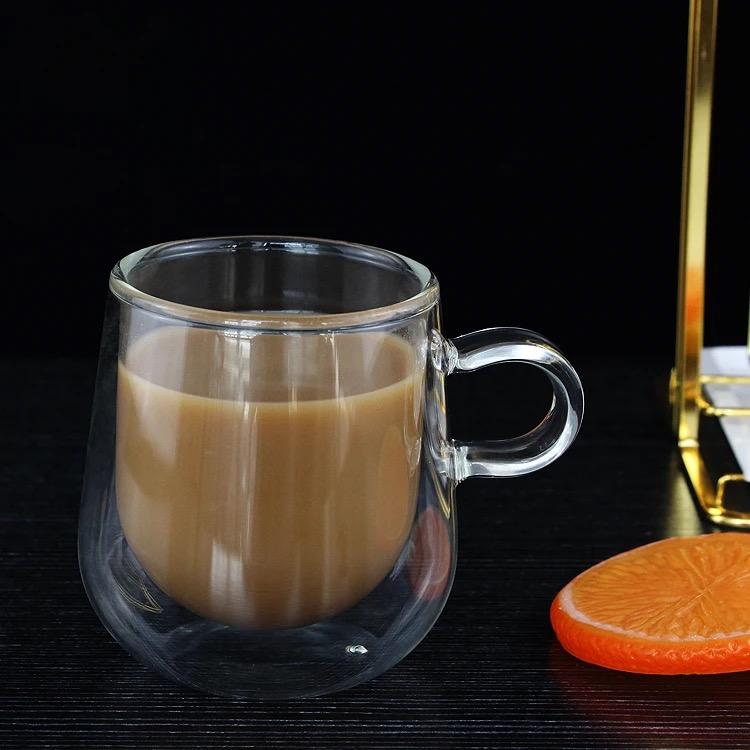
Understanding the manufacturing process helps you make better purchasing decisions. Manufacturers blow two separate layers of high-grade borosilicate glass. They fuse these layers together at the rim. This process leaves a vacuum or sealed air pocket between the walls. Borosilicate withstands extreme thermal shock due to its low coefficient of thermal expansion. It safely handles boiling water straight from a kettle. Ordinary glass shatters under these conditions.
Insulated glassware provides distinct advantages over traditional options. The engineering directly improves your daily drinking experience.
Weight Reduction: They weigh significantly less than they look. A Double Wall Glass Cup is roughly 50% lighter than a standard ceramic mug of the exact same volume. This makes them exceptionally comfortable to hold for extended periods.
Thermal Isolation: The air gap provides phenomenal insulation. Data shows insulated glass keeps coffee significantly hotter over a 60-minute window compared to uninsulated ceramic. You can sip slowly without fear of your drink going cold.
Ergonomics: The exterior remains completely cool to the touch. Internal liquid temperature does not matter. You can hold a glass of boiling water comfortably. Furthermore, cold iced drinks produce zero condensation. You will never find annoying water puddles ruining your wooden desk.
Despite their beauty, these cups harbor specific structural weaknesses. You must handle them differently than standard diner mugs.
The Resin Plug Vulnerability: Manufacturers leave a small hole at the base of the outer glass during production. They seal this hole using a tiny silicone or resin plug. High heat and intense water pressure inside a dishwasher often dissolve this seal. Once dislodged, dirty dishwater permanently traps itself between the glass walls. You cannot clean this out.
Structural Fragility (The Aeropress Test): The inner glass wall is extremely thin to maintain the lightweight profile. Applying direct, heavy downward pressure causes instant breakage. Never brew directly into the cup using an Aeropress. Avoid pressing heavy metal tamping tools against the rim. Treat them with the same care you would give a fine wine glass.
Common Mistake: Many users stack their insulated glasses in the cupboard. The thin walls easily chip when clinking against other glassware. Always store them side-by-side with plenty of breathing room.
You cannot buy coffee glasses based on looks alone. You need a systematic approach to find the perfect match for your brewing style. Use these four criteria to narrow down your choices.
Define your golden ratios before shopping. A 12oz glass ruins a delicate cortado. You end up pouring way too much milk to fill the visual space. Follow this strict sizing framework to preserve your recipes:
4 to 6 Ounces: Choose this size for straight espresso, macchiatos, and flat whites. It concentrates the crema and limits milk dilution.
8 to 10 Ounces: This fits standard filter drip coffee or Americanos perfectly. It leaves just enough room at the top for comfortable walking.
12 Ounces and Above: Reserve these large capacities for frothy lattes, cappuccinos, or large iced coffees. The extra volume accommodates thick microfoam.
The internal geometry directly directs aromas to your olfactory sensors. A wide bottom narrowing at the top forms a convergent shape. This traps volatile aromatics near your nose. It works wonderfully for complex Ethiopian light roasts. A flared rim creates a divergent shape. It spreads the liquid broadly across your palate. This highlights sweetness and balanced acidity. Choose the shape matching your preferred flavor profile.
Establish a hard rule for your household. Check the manufacturer warranty carefully before purchasing. Some premium brands guarantee dishwasher safety. Others explicitly forbid it. If you buy a double-walled unit, commit exclusively to hand-washing. This protects the fragile bottom seal and prevents accidental etching. If you absolutely despise hand-washing dishes, avoid insulated glass entirely.
Ergonomic trade-offs matter immensely. Handleless designs offer a sleek, modern aesthetic. They allow you to cup the pleasant warmth of your beverage on a cold morning. However, they require a wider grip span. This wide span may feel uncomfortable or insecure for users with smaller hands. Cups featuring traditional handles provide a secure grip but disrupt the minimalist visual lines. Test both styles if possible.
The market divides itself into two primary manufacturing philosophies. You must choose between extreme insulation or heavy-duty durability. Each approach serves a completely different type of coffee drinker.
Approach 1: The Standard Double Wall
Brands like Bodum and Zwilling dominate this specific category. They focus heavily on the visual presentation and thermal properties.
Best for: Heat retention and the aesthetic "floating liquid" presentation. They suit slow sippers who hate cold coffee. Home users love them for weekend mornings.
Drawbacks: They suffer from a much higher breakage rate. You also face potential dishwasher risks due to the base plug. They require gentle handling at all times.
Approach 2: The Thick-Walled Single Glass
Think of the popular NotNeutral Vero style. These glasses draw inspiration from heavy whiskey tumblers. They feature thick bases and faceted sides.
Best for: High-traffic cafe environments. Espresso-drinkers love their substantial feel. They suit users wanting the heavy weight of traditional ceramic alongside the visual appeal of glass. You can safely press an Aeropress directly onto them.
Drawbacks: They weigh heavily in the hand. Heat retention remains inferior to insulated models. The exterior gets quite hot when holding freshly poured boiling water.
Feature | Double Wall Glass | Thick Single Wall Glass | Standard Ceramic |
|---|---|---|---|
Heat Retention | Excellent (Insulated) | Moderate (Absorbs heat) | Good (High thermal mass) |
Durability | Low (Fragile walls) | High (Thick construction) | High (Chip resistant) |
Exterior Temp | Cool to touch | Very hot | Warm |
Weight | Very Light | Heavy | Heavy |
Visual Appeal | Floating liquid effect | Classic cafe aesthetic | Opaque, solid colors |
Best Practice: Use thick single-wall glasses for espresso shots. The heavy glass absorbs just enough heat to cool the boiling shot to a comfortable drinking temperature instantly. Reserve insulated glasses for large pour-overs meant to be enjoyed over an hour.
Choosing the best coffee vessel requires balancing sensory desires against practical daily constraints. You now understand the physics separating insulated models from heavy traditional mugs. Review your personal brewing habits carefully before making a final purchase. Consider how you wash your dishes and what brewing tools you apply.
Take these actionable steps to finalize your setup:
Select a reliable Double Wall Glass Cup if you sip slowly at home and prioritize heat retention above all else.
Commit fully to hand-washing insulated glassware to preserve the sensitive base valve and prevent inner-wall water trapping.
Opt for a thick-walled single glass if you apply heavy pressure during brewing with manual makers.
Always choose a cup capacity matching your exact milk-to-coffee ratio to avoid drowning your espresso.
A: Yes. They significantly outperform single-layer glass and standard ceramic mugs. The vacuum or air gap trapped between the two layers acts as a powerful thermal insulator. This insulation prevents rapid heat transfer to the outside air, keeping your beverage piping hot for much longer.
A: Standard glass shatters under extreme temperature changes. High-quality borosilicate glass resists thermal shock and handles microwaves easily. However, dishwashers pose a huge risk for insulated cups. High water pressure often dislodges the bottom resin valve, ruining the cup permanently.
A: Manufacturers create this hole to allow pressure equalization during the intense glass-blowing phase. Without this tiny pressure-relief valve, the cup would shatter instantly when you pour hot liquids inside. They carefully seal it with a resin or silicone plug afterward.
A: Your choice depends entirely on your sensory preferences. Ceramic cups feature thicker rims. They enhance the perceived body and comforting warmth of the beverage. Transparent glass highlights clarity. It psychologically boosts the bright, acidic notes of lighter roasts, making it ideal for pour-overs.


 +86-13370832299
 9th Floor, Poly Central Mansion, No.1068 Jinshui Road, Qingdao, China