
Views: 0 Author: Site Editor Publish Time: 2026-08-01 Origin: Site


Holiday table styling presents a unique challenge for hosts every season. You want to strike the perfect balance between festive novelty and an elegant, mature presentation. Standard glassware often feels too plain for special gatherings. Conversely, heavily branded holiday mugs can quickly cheapen a sophisticated dining aesthetic. This dilemma leaves many searching for table additions blending utility and charm. 3D Animal Glass Cups serve as the ultimate functional conversational pieces. They easily fulfill dual roles as both reliable drinkware and captivating table centerpieces. In this article, you will learn how to evaluate material quality and style these unique glasses effectively. We will also guide you through managing the practical realities of owning handblown figurine drinkware.
Material Matters: High-borosilicate glass is non-negotiable for thermal shock resistance, especially if serving hot holiday beverages.
Strategic Styling: The visual impact of a glass tumbler with an animal inside depends heavily on beverage opacity and table lighting.
Maintenance Reality: Internal handblown figurines require specific hand-washing protocols to prevent breakage and residue buildup.
Purchase Criteria: Authentic handmade variations feature minor inconsistencies; prioritize sellers with proven transit-safe packaging.
Traditional holiday tablescapes often rely on cluttered centerpieces or oversized floral arrangements. These traditional decor items frequently block lines of sight across the dining table. They hinder natural conversation among your guests. Furthermore, hosts sometimes resort to overly branded, single-use festive cups to inject holiday spirit into the meal. Unfortunately, these cheap options detract from a sophisticated aesthetic. They clash with fine china, polished silverware, and carefully curated table linens.
To resolve this aesthetic clash, modern hosts embrace "discoverable design" principles. 3D Animal Glass Cups embody this concept perfectly. The hidden animal acts as a subtle element of surprise. It reveals itself slowly as the beverage is consumed. This approach shifts the decorative focus from large, obstructive centerpieces directly into the hands of your guests. It offers an interactive experience rather than a static visual display.
A successful deployment of these cups meets specific criteria. First, the glassware must spark genuine conversation among attendees. Second, it needs to complement your existing tableware seamlessly. Finally, it must safely hold intended seasonal drinks without compromising durability. When executed correctly, you transform basic beverage service into a memorable, engaging part of the holiday gathering.
Not all whimsical glassware meets the rigorous demands of holiday entertaining. Understanding material specifications separates a novelty novelty item from a long-lasting tableware investment. High-quality construction ensures safety, longevity, and visual appeal.
Frame borosilicate as the mandatory standard for durability. Manufacturers formulate borosilicate glass by adding boric oxide to the traditional glass mixture. This specific chemical composition makes the glass lighter, thinner, and exceptionally resistant to thermal shock. When you serve hot apple cider or mulled wine, standard glass expands rapidly and shatters. Borosilicate withstands these rapid temperature changes flawlessly.
Glass Material Comparison Chart
Feature | High-Borosilicate Glass | Standard Soda-Lime Glass |
|---|---|---|
Thermal Shock Resistance | Excellent (Handles sudden extreme heat) | Poor (Prone to shattering) |
Weight and Thickness | Lightweight, thin-walled construction | Heavy, thick-walled construction |
Clarity over Time | Maintains high transparency | Can become cloudy with heavy use |
Ideal Beverage Use | Hot tea, mulled wine, iced cocktails | Room temperature or cold drinks only |
Understanding handblown craftsmanship markers helps you assess authenticity. Authentic handmade variations rarely look identical. You should expect minor bubbles trapped within the glass. You might also notice slight asymmetrical traits in the internal figurine itself. Industry experts recognize these subtle variations as indicators of handmade craftsmanship rather than manufacturing defects. They prove a human artisan shaped the piece.
Analyze the standard 12oz stemless design critically. Stemmed glassware creates significant spill risks on crowded holiday tables. Serving dishes, gravy boats, and elaborate platters constantly move around the dining area. The flat, broad base of a stemless glass provides superior stability. It lowers the center of gravity, reducing accidental knock-overs during lively holiday dinners.
Safety and compliance represent another critical evaluation metric. Always verify the manufacturer uses lead-free materials. Furthermore, ensure they apply food-safe glass dyes for the internal colored figurines. Cheap imitations often utilize painted surface coatings instead of infused colored glass. These unsafe coatings can flake off into beverages over time.
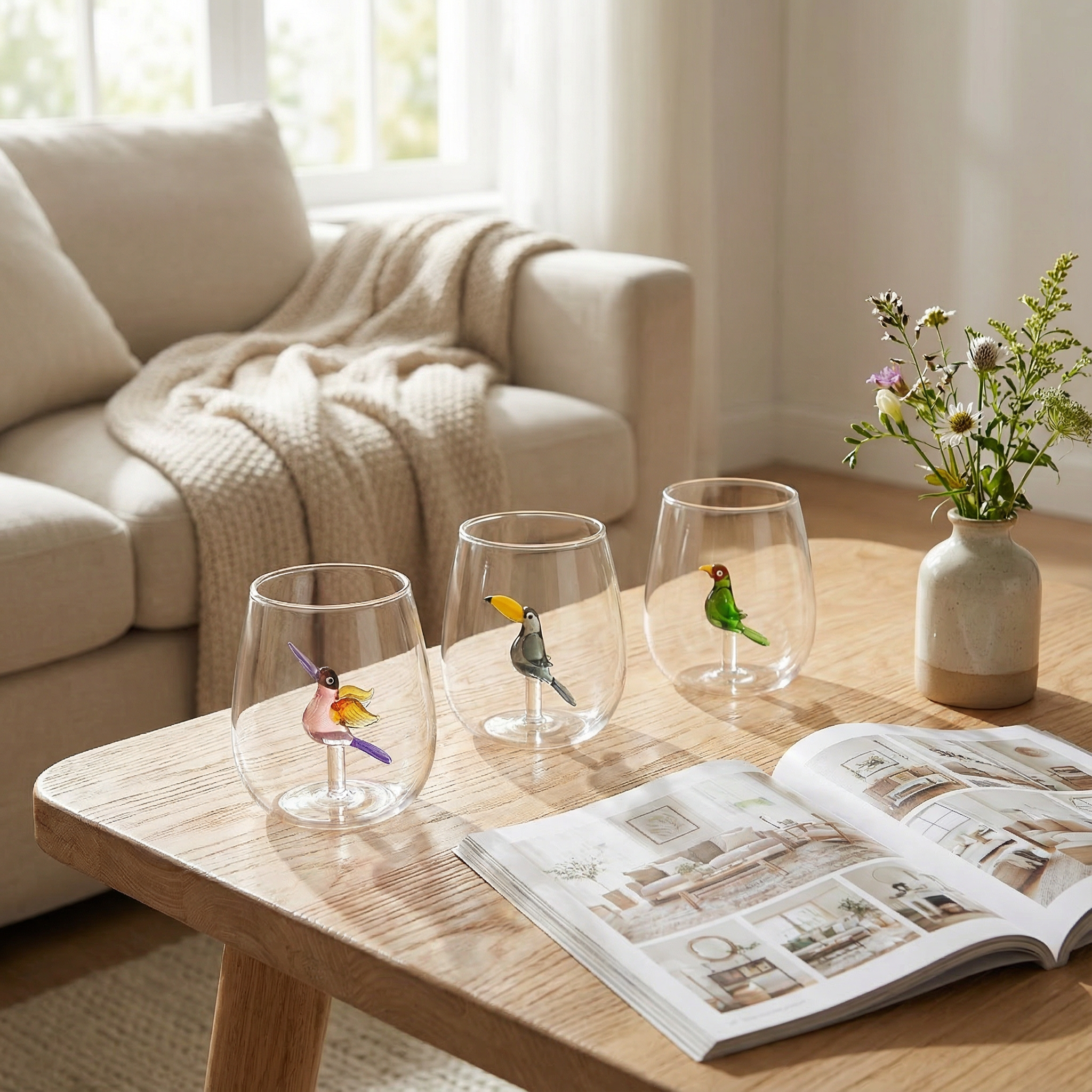
Placing beautiful glassware on a table rarely guarantees visual success. You must consider environmental factors to maximize their aesthetic impact. Proper styling highlights the intricate details of the internal figurines.
Lighting and reflection dictate how guests perceive the glassware. The curved exterior acts as a magnifying lens. Recommend utilizing reflective coasters underneath each glass. These coasters bounce ambient room light upward into the base. Alternatively, strategically place low-angle candlelight near the place settings. The flickering flames illuminate the 3D figurine through the liquid, creating a warm, magical ambiance.
Beverage pairing directly dictates visual contrast. You can manipulate the guest experience based on what you pour into the cup.
Clear or Translucent Drinks: Pouring apple cider, white wine, or clear holiday cocktails highlights the figurine immediately. The liquid magnifies the internal animal, making it the immediate focal point of the place setting.
Opaque Drinks: Serving eggnog, hot chocolate, or milk completely conceals the figurine at first. This creates an exciting "reveal" effect. The hidden animal emerges slowly as the guest consumes their festive drink.
Garnished Drinks: Adding sprigs of rosemary or floating cranberries frames the internal figurine. Ensure garnishes float near the top to avoid obscuring the glass animal at the bottom.
Table linen coordination plays a surprisingly vital role. Suggest pairing minimalist, solid-color table runners with these cups. Avoid heavily patterned tablecloths featuring loud holiday motifs. Complex patterns create visual clutter. Solid, muted tones allow the whimsical drinkware to serve as the true focal points. Deep forest greens, rich burgundies, or crisp winter whites provide ideal contrasting backdrops.
Owning interactive, handcrafted drinkware requires specific care routines. Transparency about these requirements ensures you enjoy your investment for many holiday seasons. Neglecting proper maintenance quickly leads to broken figurines and cloudy glass.
Be entirely transparent about the dishwasher risk. The internal fusion point represents the most fragile part of the cup. This is the exact spot where the glass animal meets the base. Strongly advise against dishwasher use. The intense water pressure jets apply lateral force against the figurine. Combined with extreme heat cycles, dishwashers rapidly weaken this fusion point. The figurine will eventually snap off during a cycle.
Address the challenge of cleaning around the 3D figurine. Leftover milk or sugary eggnog easily pools around the base of the animal. If left to dry, it creates stubborn residue. Recommend implementing a precise manual cleaning protocol.
Immediate Rinsing: Flush the cup using warm water immediately after the holiday party concludes.
Soak with Mild Detergent: Fill the glass halfway using warm, soapy water. Let it sit for ten minutes to loosen sugary bonds.
Agitate Gently: Utilize specific tools, such as long-handled, soft sponge brushes. Never use stiff bristle brushes. Gently maneuver the soft sponge around the figurine base.
Air Dry Inverted: Rinse thoroughly. Place the cup upside down on a soft drying mat to prevent hard water spotting.
Temperature handling requires mindful execution. Even with premium borosilicate glass, advise against extreme, immediate temperature swings. Never pull a freezing cold cup from a winter porch and immediately pour boiling water into it. While borosilicate resists thermal shock significantly better than standard glass, exceeding its structural limits still causes microscopic stress fractures. Always allow the glassware to reach room temperature before serving hot liquids.
The market offers numerous variations of internal figurine drinkware. Navigating these options requires a strategic approach. Where you buy dictates the quality, uniformity, and safe arrival of your items.
Compare purchasing environments to identify the right vendor for your specific needs. Artisan marketplaces, such as Etsy, excel at offering unique, highly detailed handblown variants. You can often find highly specialized animals tailored to specific interests. However, these pieces frequently suffer from sizing inconsistencies and lengthy shipping delays. Conversely, commercial retailers excel at consistency. Vendors like Amazon or specialized brands like Lefu Housewares are better for standardized sets. They offer uniform sizing, identical glass clarity, and faster shipping timelines.
Emphasize the critical importance of robust packaging during transit. The internal figurines are highly susceptible to shipping vibrations and drop impacts. When evaluating vendor reviews, look for mentions of packaging quality. Prioritize sellers utilizing die-cut foam or custom-molded pulp. These materials immobilize the cup entirely. Avoid vendors relying solely on loose bubble wrap or packing peanuts, as these allow the glass to shift and shatter during delivery.
Recommend purchasing a single "test" cup if buying from an unknown vendor. Do not blindly order a large set. Evaluate the test item in person. Assess the glass thickness, the clarity of the material, and the detailing of the figurine. Verify it sits flat on the table without wobbling. Once it passes these quality checks, you can confidently commit to purchasing an eight- or twelve-piece holiday dining set.
Integrating distinct, interactive elements into your dining room setup elevates standard hosting into memorable hospitality. 3D Animal Glass Cups provide exceptional strategic value. They effortlessly replace obstructive centerpieces while surprising guests as they enjoy their seasonal beverages.
While these handblown pieces require deliberate care routines and strict hand-washing protocols, the aesthetic payoff justifies the effort. By prioritizing high-borosilicate materials and properly styling your tablescape, you ensure safety alongside visual charm. Take action by evaluating your upcoming holiday menu, determining whether clear or opaque drinks dominate your service, and ordering a test cup to experience the craftsmanship firsthand.
A: Yes, provided they consist of high-borosilicate glass. This specific material resists thermal shock effectively. It safely handles hot beverages like mulled wine or hot tea. Always verify the manufacturer specifications before pouring boiling liquids to ensure thermal limits apply.
A: The internal figurines are relatively delicate, especially at their base fusion point. Avoid heavy metal spoons. Instead, utilize wooden stirrers or soft silicone swizzle sticks. Gentle stirring protects the glass animal from accidental impact and prevents potential breakage.
A: They require adult supervision. While stemless designs offer better stability, the overall glass walls remain thin. Children might struggle to grip standard 12oz widths securely. Reserve them for older children who handle delicate tableware properly, or use them exclusively as decorative pieces.
A: Mix equal parts white vinegar and warm water. Pour this solution into the cup. Let it soak for fifteen minutes. Use a long-handled, soft sponge brush to agitate the base gently. Rinse thoroughly using warm water, then air dry inverted to prevent further spotting.


 +86-13370832299
 9th Floor, Poly Central Mansion, No.1068 Jinshui Road, Qingdao, China