
Views: 0 Author: Site Editor Publish Time: 2026-08-11 Origin: Site


Picture pulling a perfectly golden casserole from the oven, only to hear a sudden, terrifying pop. Standard glass dishes often shatter unexpectedly when exposed to rapid temperature changes, turning your hard-earned dinner into a dangerous mess. You can avoid this kitchen nightmare completely by upgrading your cooking vessels. Borosilicate glass stands out as the industry-standard solution for high-heat and rapid-transition environments. It handles extreme ambient heat far better than ordinary tempered dishes found in most retail stores. We built this comprehensive guide to help you cook safely and confidently. We will establish clear evaluation criteria and define exact safety limitations for these advanced materials. You will also discover a straightforward framework for selecting highly durable Glass Bakeware to suit your daily culinary needs.
Thermal Superiority: Borosilicate glass possesses a significantly lower coefficient of thermal expansion compared to standard tempered (soda-lime) glass, making it highly resistant to thermal shock.
Operational Limits: Safe for standard oven baking and microwaving, but structural integrity is compromised by direct heat sources (broilers, stovetops).
Purchasing Criteria: Selection should be based on capacity accuracy (e.g., 2-qt vs. 3-qt), lid material (BPA-free/silicone), and nesting capability for storage.
Real-World Reliability: Despite its durability, proper handling (using trivets, avoiding wet counters when hot) is required to prevent material failure.
Modern kitchenware often confuses everyday consumers. You might assume all clear dishes handle heat similarly. They absolutely do not. Manufacturers use two distinctly different materials for modern cooking vessels. Borosilicate contains a specific ingredient called boron trioxide. This chemical addition fundamentally changes its physical properties, making it incredibly resilient. Meanwhile, standard tempered soda-lime glass populates most modern household stores. It lacks boron entirely. The absence of boron makes it highly susceptible to rapid temperature fluctuations.
Engineers measure material expansion using a metric called the Thermal Expansion Coefficient (COE). Borosilicate boasts a significantly lower COE than its soda-lime counterparts. When exposed to heat, it expands minimally. As it cools down, it contracts uniformly across its entire surface. This uniform movement prevents internal stress from building up. Internal stress ultimately causes sudden, explosive shattering in the kitchen. Soda-lime equivalents expand rapidly and unevenly. This rapid expansion creates microscopic fractures, eventually leading to structural failure.
Older recipes inherently trusted this material stability. Vintage cookbooks often assume you own proper heat-resistant dishes. Specific baking outcomes require rapid temperature shifts to achieve the correct texture. A classic soufflé or a traditional Yorkshire pudding needs high, immediate heat to rise properly. Standard tempered items often fail under these sudden, intense changes. Many modern cooks ruin legacy recipes because their equipment simply cannot handle the thermal stress.
Feature | Borosilicate Glass | Tempered Soda-Lime Glass |
|---|---|---|
Primary Chemical Addition | Boron Trioxide | Sodium Carbonate (Soda) |
Thermal Expansion Coefficient (COE) | Extremely Low | Relatively High |
Resistance to Thermal Shock | Superior | Moderate to Low |
Historical Kitchen Use | Vintage Pyrex (pre-1998 in US) | Modern Consumer Bakeware |
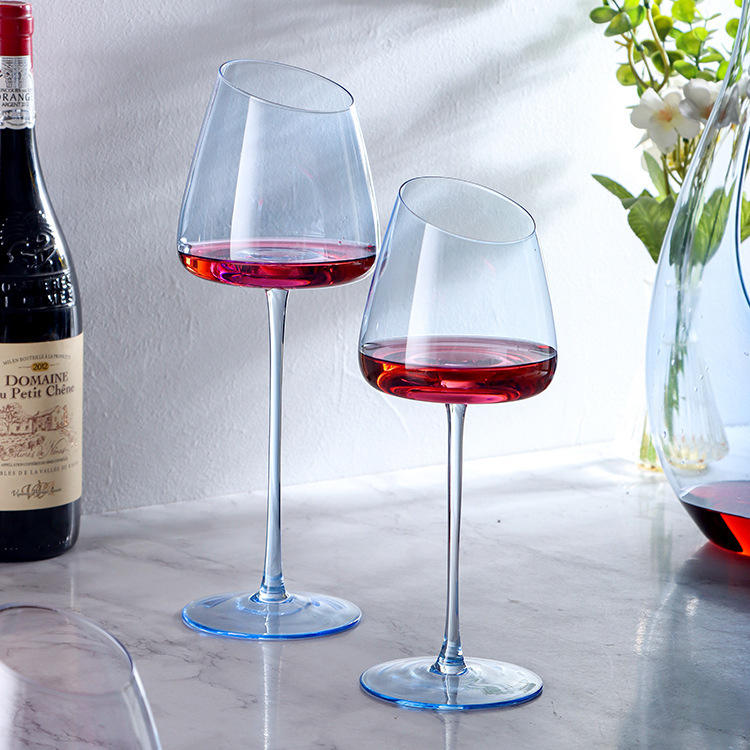
Manufacturers rate high-quality Glass Bakeware for highly impressive limits. Maximum safe ambient oven temperatures usually reach 450°F to 500°F (232°C to 260°C). You must always check your specific brand guidelines before baking. Going beyond these specified limits risks total structural failure. Ambient heat warms the vessel evenly from all directions. This uniform heating keeps you and your meals safe. Reliable equipment handles these steady temperatures flawlessly, hour after hour.
Microwaves operate under completely different physical rules. They excite water and fat molecules directly to generate heat. Borosilicate remains completely microwave-safe under normal conditions. It acts as a wonderfully non-reactive vessel. It contains zero metal compounds, preventing dangerous sparking. However, dense foods can create localized hot spots quickly. These isolated pockets heat up intensely while surrounding areas stay cool. Stir your food halfway through the heating cycle. This simple habit prevents uneven stress from building up along the dish bottom.
Many brands actively advertise "freezer-to-oven" capabilities. We advise extreme practical caution here. Massive thermal deltas push even the best materials to their breaking point. Moving a dish from a 0°F freezer directly into a 450°F oven invites disaster. The safest transition strategy involves moderation and patience. Place your frozen dish directly into a completely cold oven. Turn the heat on and let both the oven and the dish preheat together to 350°F. This gradual warming process protects your dish from catastrophic thermal shock.
Always verify the maximum temperature rating stamped on the bottom of the dish.
Ensure your oven is fully preheated before placing room-temperature glass inside.
Leave at least two inches of clearance between the dish and the oven walls for proper airflow.
Distribute dense ingredients evenly to prevent localized hot spots during microwaving.
Choosing the right equipment requires analyzing your unique daily routines. You should carefully evaluate several critical dimensions before deciding. Not all vessels perform equally well for every type of meal. Understanding these features ensures you select the most useful items.
Sizing and Capacity Configuration: Evaluate your standard household needs carefully. A 9x13 inch, 3-qt dish perfectly suits large family casseroles or layered lasagnas. Conversely, an 8x8 inch, 1.9-qt square handles side dishes and small brownies beautifully. Pick capacities matching your regular cooking habits. Buying an oversized dish for small portions often leads to burnt edges.
Lid Quality and Material: Differentiate between lid types before bringing a set home. True glass baking lids remain completely oven safe. They trap moisture effectively during slow roasts. However, plastic or silicone storage lids serve a totally different purpose. They belong exclusively in the fridge or microwave. Never subject plastic covers to ambient oven heat, as they will melt instantly.
Ergonomics and Aesthetics: Look closely at the handle design. You will carry heavy, hot food across your kitchen regularly. Generous handles accommodate thick silicone oven mitts safely. Consider the oven-to-table aesthetic value as well. Clear designs showcase layered desserts and casseroles nicely. Tinted or colored options add exceptional visual flair to your dining setup. Premium Glass Bakeware frequently features sleek, modern silhouettes.
Modularity: Factor in stackability for your limited cabinet space. Nesting dishes save immense amounts of room. Scalable kitchen storage keeps your workspace organized and stress-free. Choose sets specifically designed to fit securely inside one another.
Let us address reality directly. "Shatter-resistant" absolutely does not mean "unbreakable." All glass remains susceptible to severe physical trauma and extreme misuse. Acknowledging these limitations makes you a much safer cook. Ignorance regarding safety rules often leads to ruined meals and ruined equipment.
Never place these dishes under a broiler. The broiler ban represents the most critical safety rule. Intense, direct overhead infrared heat concentrates energy too rapidly. This uneven blast compromises the structural integrity instantly. The top layer of the material expands violently while the bottom remains cooler. This massive thermal gradient causes immediate, dangerous explosions inside your appliance.
Avoid stovetop usage entirely, regardless of the heat source. Uneven bottom-contact heating creates chaos for the material structure. Gas flames or electric coils heat tiny sections of the base intensely. The surrounding areas remain relatively cool. The unequal expansion causes immediate, catastrophic cracking. Even a brief moment on an active burner will destroy the dish.
Treat hot dishes with immense respect when removing them from heat. We emphasize the strict rule against surface shock. Never place a hot dish directly onto wet countertops. Avoid cold stone surfaces or bare metal sinks entirely. You must always use thick wooden or silicone trivets. This insulating barrier prevents sudden temperature crashes, preserving the structural integrity of your favorite pan.
Resting a 400°F dish on a damp dish towel.
Adding cold liquids (like broth or wine) to a hot pan during deglazing.
Scraping the bottom vigorously using heavy metal cooking utensils.
Tossing the dish haphazardly into a crowded cabinet, causing micro-chips on the edges.
Match your user profile to specific product types. Meal-preppers often prefer lidded multi-piece sets. These sets transition effortlessly from cooking to storing in the fridge. Occasional bakers might prioritize a single, heavy-duty roaster for holiday meals. Assess your weekly routine honestly before choosing a configuration. Single people rarely need massive 4-quart casseroles. Large families quickly frustrate themselves using undersized 1.5-quart pans.
Read the labels carefully for compliance and certification. Look for explicitly FDA-approved materials on the packaging. Ensure all plastic components boast verifiable BPA-free declarations. Lead-free manufacturing ensures your food remains untainted and healthy. Trusted brands print these certifications clearly on the box. You deserve high-quality Glass Bakeware boasting these exact, verifiable credentials.
Verify warranty terms regarding thermal shock before your purchase. Read the fine print closely. Strong warranties indicate high manufacturer confidence in their proprietary formulas. Many premium brands offer multi-year guarantees against thermal shattering. This documentation gives you peace of mind during heavy holiday cooking. Always register your product online immediately to activate these protections.
Investing in true borosilicate eliminates primary high-heat cooking risks. You can safely manage extreme temperature transitions using the proper materials. Prioritize manufacturer transparency regarding maximum temperature ratings above all else. Ignore purely aesthetic features if the safety ratings seem vague or entirely absent. Reliable tools make your time in the kitchen significantly less stressful.
Take inventory of your current kitchen tools today. Replace any questionable tempered items exhibiting scratches or small chips. Check your favored recipes for their specific temperature demands. Embrace safe handling practices, like using proper trivets and avoiding direct flame. By respecting the physical limits of your equipment, you guarantee decades of safe, successful cooking.
A: Yes, provided the dish fits with adequate clearance from the heating elements and the temperature stays within the rated limits.
A: Generally yes, but verify the manufacturer's specific thermal shock rating. Gradual heating is always the most conservative, fail-safe approach.
A: Usually safe for venting in the microwave, but rarely safe for the oven. Always check the specific material rating for the lid.
A: Check manufacturer stamps, production dates, or look for specific blue/green edge tints typical of standard soda-lime vs. the clearer edge of borosilicate, though checking the brand's technical specs is the only 100% accurate method.


 +86-13370832299
 9th Floor, Poly Central Mansion, No.1068 Jinshui Road, Qingdao, China