
Views: 0 Author: Site Editor Publish Time: 2026-08-16 Origin: Site


Warm, low-level lighting inherently triggers relaxation. Our bodies react to this amber glow by softening focus and deepening intimacy. The right dining environment relies heavily on this physiological response.
However, placing open flames directly on dining tables invites unnecessary risks. Stray drafts often cause erratic burning. Accidental bumps frequently lead to messy wax spills. Furthermore, improperly positioned candles can obstruct conversation and cause uncomfortable glare.
Utilizing Glass Candle Holders solves these critical issues. They enclose flames safely while controlling light refraction beautifully. They serve as both a structural safeguard and an aesthetic enhancement. We will explore a definitive evaluation framework below. You will learn how to select the ideal pieces for your specific table dimensions, aesthetics, and safety needs.
Line of Sight is Critical: Holder height must remain below 12 inches or above 20 inches to prevent obstructing eye contact across a standard dining table.
Glass Density Dictates Safety: High-borosilicate or thick-walled soda-lime glass is required to prevent thermal shock and cracking from prolonged heat exposure.
Match Shape to Wax Type: Taper candles require weighted bases for stability; floating candles require wide-cylinder glass to prevent overheating the sidewalls.
Refraction Alters Atmosphere: Clear glass offers direct, brilliant light, while frosted, ribbed, or mosaic glass diffuses light for a softer, glare-free environment.
Creating an intimate dining space requires more than just lighting a few wicks. You must carefully balance luminosity, space, and safety. Each factor plays a vital role in setting the right mood. Let us break down these core success criteria.
You want an ambient glow, not a spotlight. Bare flames often produce harsh shadows. They can force your guests to squint. Glass acts as a necessary diffuser in this scenario. It softens the light source effectively. You achieve optimal dimness when light spreads horizontally across the table surface. Frosting or texturing on the glass further reduces intense glare. This gentle illumination flatters faces and warms the room.
Evaluate your table surface area before purchasing any centerpiece. A romantic dinner requires adequate room for plating. You also need space for stemware, bread baskets, and serving dishes. Crowded tables cause anxiety. They increase the likelihood of spills. Always measure your usable center channel. Your chosen holders must fit comfortably within this space. They should leave a minimum of 15 inches of clearance for individual place settings.
Dining involves constant movement. Guests reach across the table to pour wine or share dishes. This movement introduces significant risks around open flames. Safety requires mitigating these specific hazards. Holders need a low center of gravity. They must resist tipping if someone bumps the table. Enclosed flames provide an additional safety layer. They catch errant sparks and block drafts. They also prevent sleeves from catching fire during cross-table reaches.
Different dining setups demand different structural solutions. We categorize holders based on how they interact with your environment. Understanding these categories helps you match the fixture to your specific needs.
These models feature tall, enclosed glass tubes. You can place pillar candles inside them. Alternatively, you can fill them with water for floating discs. They offer excellent versatility.
Mechanics: The high walls completely surround the flame. They create a micro-environment protected from outside airflow.
Best For: Modern and minimalist aesthetics thrive on this sleek design. They work perfectly in high-draft environments. Use them near AC vents or on outdoor patios.
Drawbacks: Deep cylinders present cleaning challenges. Wax spills can harden at the very bottom. You must trim wicks precisely. Long wicks produce soot. This soot quickly clouds the interior glass walls.
Taper holders represent the traditional dining aesthetic. They elevate standard 7/8-inch taper candles above the table surface.
Mechanics: They utilize a narrow neck to grip the candle base. The stem raises the flame to mid-air level.
Best For: Formal and classic dinner settings benefit from this style. Elevating the light source illuminates faces directly. This placement enhances the intimate feeling of a shared meal.
Drawbacks: They have a higher center of gravity. This design increases the tipping risk significantly. You must use high-quality dripless candles. Otherwise, melting wax will ruin your table linens.
These low-profile options sit directly on your table. They offer a subtle, grounded approach to ambient lighting.
Mechanics: Small glass vessels hold standard tealights or votives. The flame sits just above the table surface.
Best For: Clustered centerpieces look stunning with these cups. They fit perfectly on narrow tables. Mosaic or ribbed glass fractures the emitted light. This refraction creates dynamic, dancing shadows across your dining room.
Drawbacks: Each unit produces very low light output. You cannot rely on just one. You must cluster three to five cups together. This grouping generates sufficient ambient light for dining.
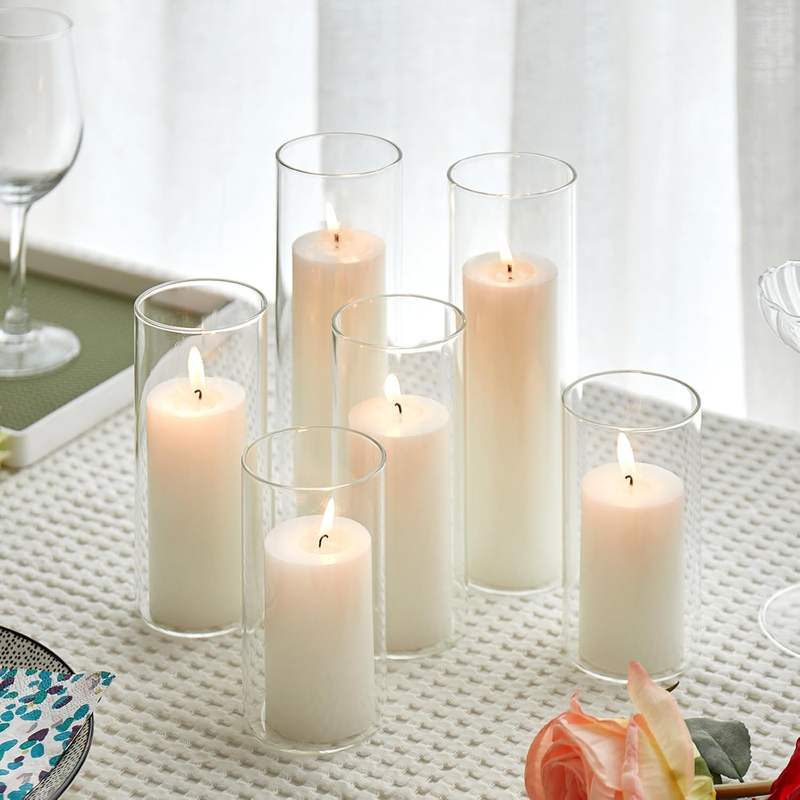
Not all glass performs equally under intense heat. You must evaluate materials based on their thermal properties and clarity. Proper selection guarantees longevity and simplifies your post-dinner cleanup routine.
Evaluating glass types is your first critical step. Manufacturers typically use standard annealed glass or borosilicate glass. Annealed glass cools slowly during production. It handles everyday use well but struggles with extreme temperature shifts. Borosilicate glass contains boron trioxide. This addition alters the glass structure entirely. It withstands rapid temperature changes without breaking.
You must understand the risk of thermal shock. Placing a high-heat pillar candle inside a thin, poorly insulated vessel is dangerous. The flame heats the localized glass intensely. The outer glass remains cool. This temperature differential causes rapid expansion and contraction. The resulting stress shatters the glass instantly. Always look for base weighting. Check for solid, thick glass bases. A heavy base anchors the holder firmly. It protects against accidental bumps during meal service.
Optical clarity dictates how light travels through the material. High-transparency glass allows brilliant, unfiltered light to pass. It creates a crisp, sharp ambiance. Conversely, recycled glass often contains slight green or blue tints. You might also notice micro-bubbles trapped inside. These imperfections are not necessarily flaws. They can add rustic charm to a casual setting.
Texture drastically impacts the dispersion of candlelight. Fluted or ribbed surfaces bend the light rays. They stretch the glow horizontally. Frosted glass diffuses the light entirely. It creates a soft, glowing orb rather than a sharp point of light. Choose your texture based on the mood you wish to establish.
Cleaning up should not ruin a romantic evening. Ease of wax removal depends heavily on the interior finish. Smooth interior walls resist wax adhesion. You can easily remove residual wax using cold temperatures. We will discuss this freezing technique in the FAQ section.
Dishwasher safety is another vital consideration. Always verify the manufacturing process of tinted or metallic-rimmed holders. Surface-coated glass often peels or chips in the dishwasher. The high heat and harsh detergents strip the color away. Solid-colored glass features pigment mixed directly into the molten material. You can safely wash solid-colored pieces in your dishwasher.
Glass Material Type | Thermal Resistance | Dishwasher Safe? | Best Use Case |
|---|---|---|---|
Standard Annealed | Low to Medium | Yes (if uncoated) | Tealights, short dining events |
Borosilicate | Very High | Yes | Floating candles, large pillar candles |
Surface-Coated Tinted | Medium | No (hand wash only) | Decorative centerpieces, dry environments |
Solid-Colored Glass | Medium to High | Yes | Frequent residential use |
Buying the right items represents only half the battle. How you arrange them determines your final success. A poorly arranged table looks cluttered. It also introduces easily avoidable fire hazards. Follow these specific strategies for flawless execution.
The Rule of Thirds: Avoid rigid symmetry on your dining table. Symmetrical lines often feel sterile and corporate. Instead, group your items in odd numbers. Use clusters of three, five, or seven. Mix varying heights within these groups. A tall cylinder paired with two short votives creates beautiful visual depth. It draws the eye naturally across the table.
Distance from Florals: Dried and fresh floral centerpieces are highly flammable. They pose a significant hazard near open flames. Industry safety standards dictate strict spacing. You must maintain a minimum 4-inch clearance between enclosed glass holders and any floral arrangements. If you use exposed taper candles, increase this clearance to 8 inches.
Scent Interference: Smell directly impacts how we taste food. A heavily perfumed candle ruins the flavor profile of expensive wine. It clashes terribly with savory dishes. You should only use unscented candles during dinner service. Save your aromatic candles for the living room or bathroom. Let the aroma of your food take center stage.
You must match your final selection to your specific table dimensions. A massive centerpiece overwhelms a small apartment table. Tiny votives get lost on a grand dining room setup. Use the following logic to finalize your decision.
For Narrow/Apartment Dining Tables (Under 36" wide): Space is your most precious commodity here. Select low-profile glass votives. Alternatively, use a tight cluster of three varying-height tealight holders. These small footprints maximize your usable plating space. They keep the light source low and unobtrusive.
For Large/Formal Dining Tables (Over 40" wide): Grand tables require substantial visual weight. Utilize 3-inch wide glass cylinders holding floating candles. Run them linearly down the center of the table on a fabric runner. This linear arrangement connects both ends of the table. It provides consistent lighting for every guest.
For Outdoor/Patio Dinners: Wind is your biggest enemy outside. Even a gentle breeze will blow out a taper candle. You must mandate high-walled hurricane glass. Heavy glass enclosures are non-negotiable. They completely shield the flame from unpredictable wind gusts. They also prevent the glass from blowing over.
Table Width | Recommended Glass Style | Maximum Holder Height | Grouping Strategy |
|---|---|---|---|
Under 36 Inches | Textured Votives / Tealights | Under 4 Inches | Tight clusters of 3 |
36 to 40 Inches | Classic Tapers (with heavy bases) | Above 20 Inches (Flame height) | Staggered pairs |
Over 40 Inches | Straight Cylinders / Floating Cups | Under 12 Inches | Linear arrangement along a runner |
Whether you choose sleek modern tubes or classic tapers, prioritize quality. Ensure you select robust Glass Candle Holders. They will serve you well beyond a single evening.
Creating the perfect romantic dinner atmosphere requires intentional choices. You must balance elegant aesthetics with practical safety. Our decision framework highlights three critical priorities: preserving table space, maintaining a clear line of sight, and ensuring glass durability. Never compromise on thermal resistance when dealing with high-heat pillar candles.
We recommend investing in versatile, thick-walled clear glass cylinders or classic tapers. These robust options easily transition from formal dinners to everyday mantel decor. They offer excellent return on your initial investment.
Your immediate next step is simple. Grab a measuring tape. Measure your exact dining table width. Subtract 30 inches to account for two opposing place settings. The remaining number dictates your maximum allowable centerpiece width. Select a holder style that fits comfortably within this safe zone.
A: Place the glass holder in the freezer for 1-2 hours. The wax shrinks in the cold and will typically pop out with a gentle tap. Avoid using metal knives, which can scratch or weaken the glass.
A: No. The glass must be thick enough to handle the heat of the flame as the water level drops. Dedicated floating candle cups or heavy-duty vases are required to prevent cracking.
A: To maintain an unobstructed line of sight for conversation, keep the total height (holder + flame) under 12 inches, or use tall candelabras that elevate the flame above 20 inches (above eye level).
A: Yes, especially thin-walled votives and the upper rims of cylinder holders. Always extinguish candles and allow the glass to cool for at least 15 minutes before moving them.


 +86-13370832299
 9th Floor, Poly Central Mansion, No.1068 Jinshui Road, Qingdao, China